
Legal Article
· 9 min read
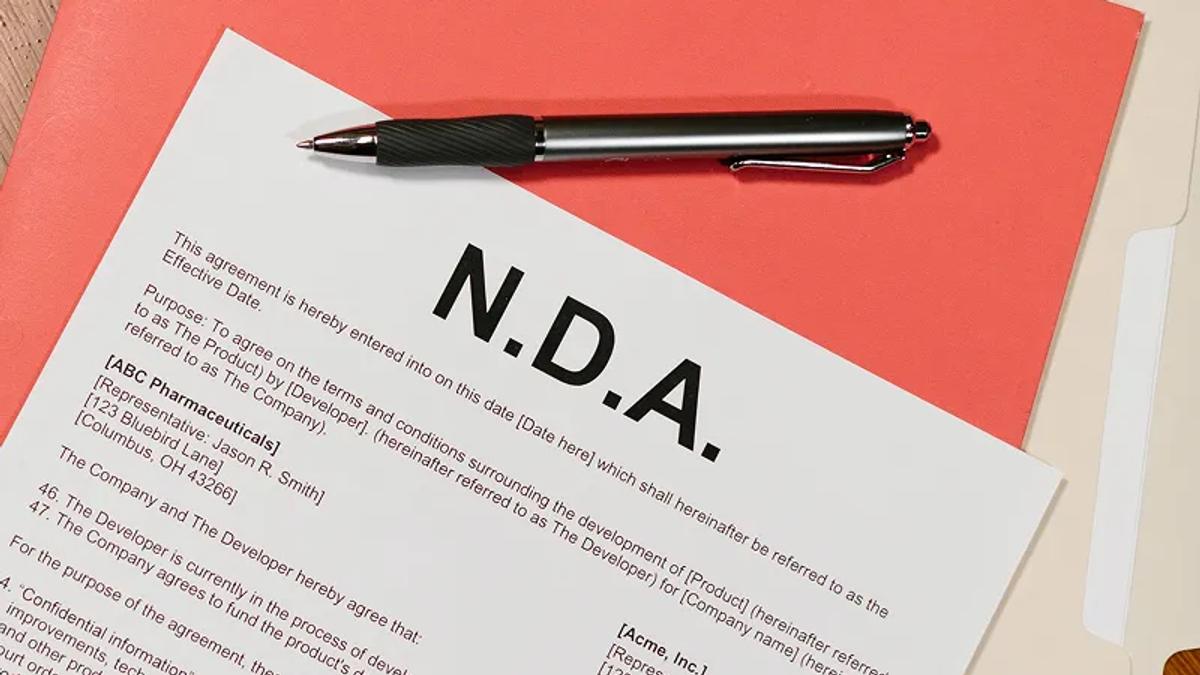
<span lang="EN-US">In the fast-paced business world, protecting sensitive information is paramount. This is where non-disclosure agreements (NDAs) come in. Whether you’re sole proprietorship, partnership, or corporation, understanding NDAs is essential to safeguarding your proprietary knowledge. </span>
<span lang="EN-US"> </span>
<span lang="EN-US">In this comprehensive guide, we’ll walk you through everything you need to know about non-disclosure agreements. From the basics to the intricacies, we’ll cover the ins and outs of NDAs to ensure you’re equipped with the knowledge needed to protect your trade secrets. </span>
<span lang="EN-US"> </span>
<span lang="EN-US">Learn how to draft an effective NDA, what key elements to include, and how to enforce it if necessary. We’ll also address common misconceptions surrounding NDAs and provide real-world insights into their importance in different industries. </span>
<span lang="EN-US"> </span>
<span lang="EN-US">Don’t let your valuable information fall into the wrong hands. Dive into our NDA 101 guide and take the necessary steps to secure your company’s confidentiality.</span>
<span lang="EN-US">A non-disclosure agreement, also known as a confidentiality agreement, is a legal contract between parties that outlines the terms and conditions for sharing confidential information. It establishes a confidential relationship and protects sensitive data from being disclosed to unauthorized individuals or entities.</span>
<span lang="EN-US"> </span>
<span lang="EN-US">NDAs are commonly used in various business scenarios, such as when two companies are considering a partnership or when an employee has access to proprietary information. By signing an NDA, the receiving party agrees to keep the disclosed information confidential and not to use it for any unauthorized purposes.</span>
<span lang="EN-US"> </span>
<span lang="EN-US">There are two primary types of NDAs: unilateral and mutual. A unilateral NDA is one-way, where only one party discloses information, while a mutual NDA is two-way, where both parties exchange confidential information. The type of NDA you need will depend on the specific circumstances and the level of confidentiality required.</span>
Non-disclosure agreements play a crucial role in protecting intellectual property, trade secrets, and other confidential information. Here are some key reasons why NDAs are important for businesses:
<span lang="EN-US">A well-drafted non-disclosure agreement should include certain key elements to ensure its effectiveness and enforceability. Here are the essential components that should be included in an NDA:</span>
<span lang="EN-US"> </span>
<span lang="EN-US">1. Definition of confidential information: Clearly define what constitutes confidential information under the agreement. This can include trade secrets, business strategies, financial data, customer lists, technical specifications, or any other proprietary information specific to your business.</span>
<span lang="EN-US"> </span>
<span lang="EN-US">2. Parties involved: Identify the parties involved in the agreement, including the disclosing party (the one sharing the confidential information) and the receiving party (the one obligated to keep it confidential). Include their legal names, addresses, and contact information.</span>
<span lang="EN-US"> </span>
<span lang="EN-US">3. Purpose and scope: Clearly state the purpose of sharing the confidential information and the limitations on its use. Define the scope of the agreement, specifying the duration of confidentiality and any exceptions or exclusions.</span>
<span lang="EN-US"> </span>
<span lang="EN-US">4. Non-disclosure obligations: Outline the obligations of the receiving party regarding the confidential information. This includes a commitment to keep the information confidential, not to disclose it to third parties, and to use it solely for the agreed-upon purpose.</span>
<span lang="EN-US"> </span>
<span lang="EN-US">5. Non-compete and non-solicitation clauses: Depending on the nature of the agreement, you may want to include clauses that restrict the receiving party from competing with the disclosing party or soliciting its employees, customers, or suppliers for a specified period.</span>
<span lang="EN-US"> </span>
<span lang="EN-US">6. Terms of disclosure: Specify how the confidential information will be shared, whether orally, in writing, or through electronic means. Consider including provisions regarding the return or destruction of confidential information at the end of the agreement.</span>
<span lang="EN-US"> </span>
<span lang="EN-US">7. Remedies and dispute resolution: Define the remedies available in case of a breach of the agreement, including monetary damages, injunctive relief, or specific performance. State the governing law and the preferred method of dispute resolution, such as arbitration or mediation.</span>
<span lang="EN-US"> </span>
<span lang="EN-US">Remember, the specific details and language of an NDA may vary depending on the jurisdiction and the unique circumstances of the agreement. It’s advisable to consult with a legal professional to ensure your NDA complies with applicable laws and adequately protects your interests.</span>
<span lang="EN-US">Non-disclosure agreements come in different forms, each designed to address specific needs and scenarios. Here are some common types of NDAs and their specific use cases:</span>
<span lang="EN-US"> </span>
<span lang="EN-US">1. Unilateral NDA: This is the most common type of NDA and is used when only one party is disclosing confidential information. It protects the interests of the disclosing party by preventing the receiving party from sharing or using the disclosed information without authorization.</span>
<span lang="EN-US"> </span>
<span lang="EN-US">2. Mutual NDA: Also known as a bilateral NDA, this type of agreement is used when both parties will be exchanging confidential information. It ensures that both parties have equal obligations to protect each other’s confidential information.</span>
<span lang="EN-US"> </span>
<span lang="EN-US">3. Employee NDA: Employee NDAs are used to protect proprietary information shared with employees during the course of their employment. It safeguards trade secrets, customer lists, marketing strategies, and other sensitive information from being disclosed to competitors or used for personal gain.</span>
<span lang="EN-US"> </span>
<span lang="EN-US">4. Vendor NDA: When working with external vendors or contractors, a vendor NDA helps protect sensitive information shared during the course of their work. This can include access to proprietary software, client data, manufacturing processes, or any other confidential information related to your business operations.</span>
<span lang="EN-US"> </span>
<span lang="EN-US">5. Invention NDA: An invention NDA, also known as a patent NDA, is used when disclosing confidential information related to an invention or new product idea. It ensures that the receiving party will not use or disclose the invention without permission and helps protect the inventor’s rights.</span>
<span lang="EN-US"> </span>
<span lang="EN-US">6. Investor NDA: When seeking funding or engaging in discussions with potential investors, an investor NDA helps protect your business plans, financial projections, and other sensitive information from being shared with competitors or used for unauthorized purposes.</span>
<span lang="EN-US"> </span>
<span lang="EN-US">These are just a few examples of the types of NDAs available. It’s important to select the appropriate type of NDA based on the nature of the information and the relationship between the parties involved.</span>
<span lang="EN-US">While prevention is always preferable, there may be instances where a breach of a non-disclosure agreement occurs. In such cases, it’s important to understand how to enforce the agreement and protect your rights. Here are some steps to consider when enforcing an NDA:</span>
<span lang="EN-US"> </span>
<span lang="EN-US">1. Gather evidence: Collect all relevant evidence that supports your claim of a breach, such as emails, documents, or witness statements. The more evidence you have, the stronger your case will be.</span>
<span lang="EN-US"> </span>
<span lang="EN-US">2. Review the agreement: Carefully review the terms of the NDA to ensure that the alleged breach falls within the scope of the agreement. If there are any ambiguities or loopholes, consult with a legal professional to determine the best course of action.</span>
<span lang="EN-US"> </span>
<span lang="EN-US">3. Send a cease and desist letter: Start by sending a formal cease and desist letter to the party in breach, demanding that they immediately stop using or disclosing confidential information. Clearly state the consequences of non-compliance and the legal actions you may take if the breach continues.</span>
<span lang="EN-US"> </span>
<span lang="EN-US">4. Seek mediation or arbitration: If negotiations fail to resolve the dispute, consider seeking mediation or arbitration to resolve the issue outside of court. These alternative dispute resolution methods can be faster and more cost-effective than litigation.</span>
<span lang="EN-US"> </span>
<span lang="EN-US">5. Litigation as a last resort: If all else fails, and the breach has caused significant harm, you may need to pursue legal action. Consult with a litigation attorney who specializes in intellectual property or contract law to assess the strength of your case and determine the best course of action.</span>
<span lang="EN-US"> </span>
<span lang="EN-US">Remember, enforcing an NDA can be a complex and time-consuming process. It’s important to consult with a legal professional who can guide you through the specific steps and help you protect your rights effectively.</span>
<span lang="EN-US">Non-disclosure agreements are a vital tool in today’s business landscape. By understanding the basics of NDAs, drafting effective agreements, and knowing how to enforce them if necessary, you can protect your trade secrets and maintain the confidentiality of your valuable information. Don’t let your hard work and proprietary knowledge go unprotected. Take the necessary steps to secure your company’s confidentiality with a well-crafted non-disclosure agreement.</span>
Ricasio Law is a law firm in the Philippines with experts in Business and Contract Law. Our team of Contract Law experts in the Philippines can give you useful advice and help you figure out how to craft or review a Non Disclosure Agreement or NDAs that will protect your rights and interest. Get in touch with us right away to talk about your case and let us help you protect your Contractual rights.

Every legal situation is different. Speak with our team to understand your options and determine the next steps for your situation.


