
Legal Article
· 8 min read
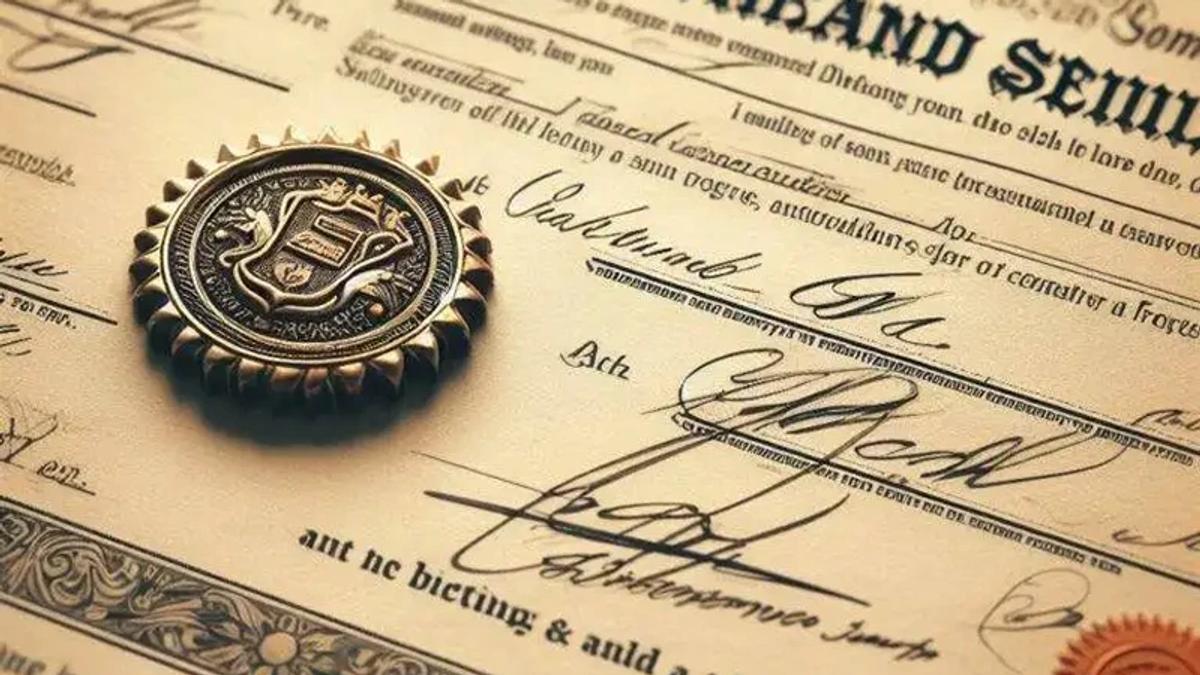
Are you planning to buy or sell property in the Philippines? Then, understanding a Deed of Sale is key to a successful transaction. This legal document serves as proof of transfer of ownership from the seller to the buyer, ensuring both parties are protected. But navigating the intricacies of a Deed of Sale can be overwhelming, especially for first-time buyers and sellers.
In this article, we will provide essential tips to help you navigate the Deed of Sale process in the Philippines. From understanding the components of a Deed of Sale to ensuring its validity, we will cover everything you need to know. Whether you are a buyer looking for clarity on legal requirements or a seller aiming to protect your interests, our expert advice will guide you through the entire process.
Article 1458 of the Civil Code of the Philippines defines a Contract of Sale in this wise: “By the contract of sale, one of the contracting parties obligates himself to transfer the ownership and to deliver a determinate thing, and the other to pay therefor a price certain in money or its equivalent.”
In Pasco v. Cuenca(G.R. No. 214319, November 04, 2020), the Supreme Court of the Philippines defined a Contract of Sale as follows: “a contract of sale is a consensual contract which requires for its perfection and validity the meeting of the minds of the parties on the object and the price. The essential elements of a contract of sale are: (a) consent or meeting of the minds, that is, consent to transfer ownership in exchange for the price; (b) determinate subject matter; and (c) price certain in money or its equivalent. All these elements must be present to constitute a valid contract.”
<span lang="EN-US">A Deed of Sale is a document where the terms and conditions of a Contract of Sale is found. It is a legally binding document between a buyer and a seller that outlines the terms and conditions of the property purchase and transfer. This document serves as one of the proofs of the transfer of ownership from the seller to the buyer. </span>
<span lang="EN-US"> </span>
<span lang="EN-US">The Deed of Sale contains vital information such as the buyer and seller’s details, property description, purchase price, payment terms, and any additional terms and conditions agreed upon by both parties. It serves as evidence of the transaction and can be used to settle future disputes or claims related to the property.</span>
<span lang="EN-US"> </span>
<span lang="EN-US">In the Philippines, the Deed of Sale is typically prepared by the seller or their legal representative. However, both buyers and sellers must have a clear understanding of its contents to ensure a smooth and legally binding transaction.</span>
The Deed of Sale holds great significance in the Philippines, as it is a legal requirement for property transfers. The Registry of Deeds of the Philippines requires a Notarized Deed of Sale before it updates the title of purchased real properties. The Land Transportation Office likewise requires a written Deed of Sale before it transfers the registration of vehicles.
It is a crucial document that protects the rights and interests of both the buyer and the seller. Without a valid Deed of Sale, the transfer of ownership may not be legally recognized, leaving both parties vulnerable to potential disputes or complications.
For buyers, a Deed of Sale provides assurance that the property they are purchasing will be transferred to them legally.
For sellers, a Deed of Sale ensures that the property is transferred to the buyer in a legally binding manner. It protects their rights and interests, ensuring that they receive the agreed-upon purchase price and are released from any liabilities associated with the property.
<span lang="EN-US">Certain essential requirements must be met to ensure the validity of a Deed of Sale in the Philippines. These requirements are in place to protect the rights of both buyers and sellers and to ensure a smooth transfer of ownership. Here are some of the key legal requirements for a Deed of Sale:</span>
<span lang="EN-US"> </span>
<span lang="EN-US">1. Consent of the parties: The Deed of Sale must be entered into willingly and voluntarily by both parties. Any form of coercion or fraud can render the agreement void.</span>
<span lang="EN-US"> </span>
<span lang="EN-US">2. Determinate subject matter or a clear description of the property: The Deed of Sale should accurately describe the property being transferred. This includes details such as the property’s address, lot and block number, and specific boundaries.</span>
<span lang="EN-US"> </span>
<span lang="EN-US">3 Agreed purchase price: The Deed of Sale must state the agreed-upon purchase price of the property. It should also specify the payment terms, including the mode of payment, down payment amount (if any), and the schedule of installment payments (if applicable).</span>
<span lang="EN-US"> </span>
<span lang="EN-US">4. Compliance with legal requirements: While this is not an essential element of a Contract of Sale, the Deed of Sale must still comply with the legal requirements set by the Philippine government for it to be recognized by 3<sup>rd</sup> persons or the Philippine Government. This includes the payment of taxes and fees, such as the documentary stamp tax and transfer tax.</span>
<span lang="EN-US"> </span>
<span lang="EN-US">By ensuring that these legal requirements are met, both buyers and sellers can have peace of mind knowing that their transaction is legally valid and protected.</span>
<span lang="EN-US">Creating a Deed of Sale in the Philippines involves several steps to ensure its validity and effectiveness. Here is a step-by-step guide to creating a Deed of Sale:</span>
<span lang="EN-US"> </span>
<span lang="EN-US">1. Gather necessary information: Collect all the relevant details, such as the buyer and seller’s information, property description, purchase price, and payment terms.</span>
<span lang="EN-US"> </span>
<span lang="EN-US">2. Draft the Deed of Sale: Prepare the Deed of Sale document, ensuring that it includes all the essential information discussed earlier. Use clear and concise language to avoid any ambiguity or confusion.</span>
<span lang="EN-US"> </span>
<span lang="EN-US">3. Review and edit: Carefully review the drafted Deed of Sale for accuracy and completeness. Make any necessary edits or revisions to ensure its clarity and compliance with legal requirements.</span>
<span lang="EN-US"> </span>
<span lang="EN-US">4. Consult a lawyer: It is highly recommended to seek legal advice and assistance when creating a Deed of Sale. A lawyer specializing in Contract Law, such as Ricasio law, can review the document, provide guidance, and ensure its legality and effectiveness.</span>
<span lang="EN-US"> </span>
<span lang="EN-US">5. Sign the Deed of Sale: Once the Deed of Sale has been finalized and approved, both the buyer and the seller should sign the document in the presence of a notary public. This ensures that the agreement is legally binding and enforceable.</span>
<span lang="EN-US"> </span>
<span lang="EN-US">By following these steps, buyers and sellers can create a legally valid and effective Deed of Sale that protects their interests and ensures a smooth transfer of ownership.</span>
<span lang="EN-US">Given the complexities and legal requirements involved in creating a Deed of Sale in the Philippines, it is highly recommended to seek legal advice and assistance. A lawyer, like Ricasio Law, who specializes in real estate law and contracts law, can provide expert guidance, review the document, and ensure its legality and effectiveness. They can help protect your rights and interests as a buyer or seller, and ensure a smooth and legally binding transaction.</span>
<span lang="EN-US"> </span>
<span lang="EN-US">Whether you are a buyer or a seller, investing in legal advice can help you navigate the complexities of the Deed of Sale process with confidence. It provides peace of mind, ensures compliance with legal requirements, and protects you from potential disputes or complications in the future.</span>
<span lang="EN-US">The Deed of Sale plays a crucial role in property transactions in the Philippines. It is a legally binding agreement that protects buyers’ and sellers’ rights and interests. By understanding the components of a Deed of Sale, ensuring its validity, and following the essential tips provided in this article, you can confidently navigate the process and ensure a smooth and legally binding transaction.</span>
<span lang="EN-US"> </span>
<span lang="EN-US">Whether you are a buyer looking for clarity on legal requirements or a seller aiming to protect your interests, the tips and advice shared in this article will guide you through the entire Deed of Sale process. Remember to seek legal advice from a lawyer specializing in real estate law and contract law, such as Ricasio Law, to ensure that your interests are protected and your transaction is legally valid.</span>
<span lang="EN-US"> </span>
<span lang="EN-US">So, whether you are about to seal the deal on your dream home or planning to sell your property, armed with the knowledge and tips shared here, you can confidently proceed with the Deed of Sale in the Philippines.</span>
<span style="font-family: Poppins, sans-serif; font-size: 15px; font-style: normal; font-weight: 400;">Ricasio Law is a law firm in the Philippines and an expert in Contract Law. Our team of Contract Law experts can give you useful advice and help you figure out the best thing to do. Get in touch with us right away to talk about your case and let us help you prepare and review a Deed of Sale.</span>

Every legal situation is different. Speak with our team to understand your options and determine the next steps for your situation.


